

Building consensus with experts
Consensus Delphi
The Value of Clinical Experience
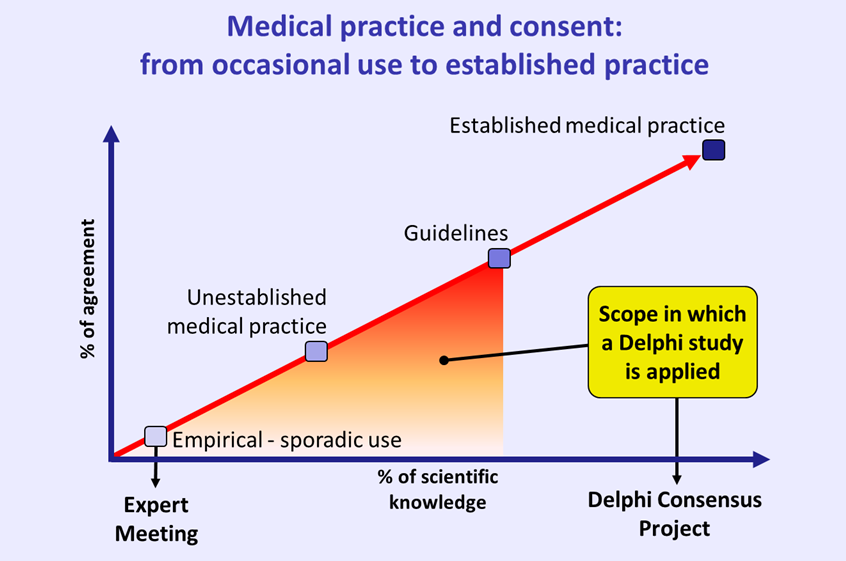
This methodology aims to build consensus among experts on clinical and scientific issues that are not adequately supported by the literature, where clinical experience is fundamental. The method is useful for comparing the opinions of experts with different positions.
The method uses structured techniques to collect and synthesize the opinions of experts on a given topic, opinions derived from individual judgment, experience, and level of knowledge, with the aim of reaching a shared position on the appropriateness of a treatment, a course of action, or a healthcare intervention.
The principles of the Delphi Consensus
The Delphi method is applied when the aim is to evaluate, in a structured and objective manner, the opinions of experts who are distant from one another or who reflect different positions of thought.
The Delphi method is based on three fundamental principles:
- Anonymity: responses to questionnaires are disclosed to all participants, but without attributing them to specific individuals;
- Controlled feedback: the process consists of several successive rounds, in each of which participants are asked to evaluate the opinions expressed in previous rounds, presented in statistical form;
- Statistical group response: the Delphi method arrives at a collective opinion or decision, expressing it in terms of a statistical score. Decision rules are used to generate these scores, summarizing the results of the voting procedures.
Applications of the Delphi Consensus
The results of Delphi consensus projects are normally published in an indexed scientific journal and are subsequently promoted through activities such as presentations at industry conferences, reprints, and continuing medical education courses.
The method can be used, for example, to:
- Share criteria and models for access to therapy
- Share methods for following up on patients
- Build consensus on new concepts that may characterize a specific therapeutic area
- Build consensus on the appropriateness of treatments
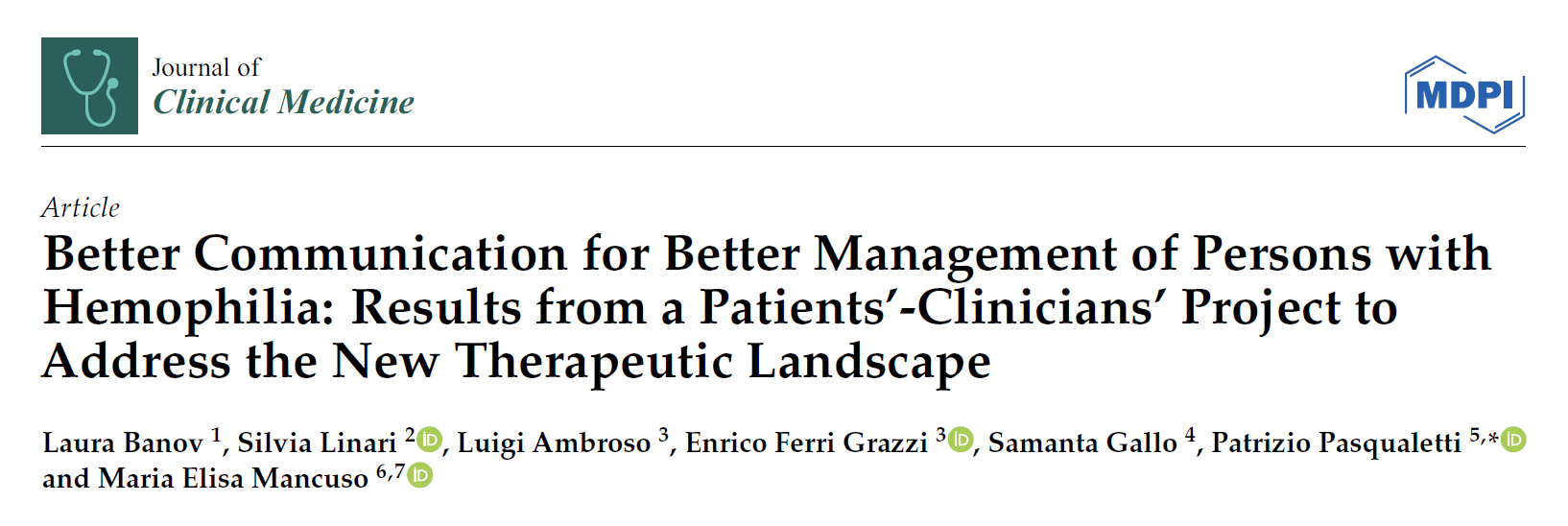
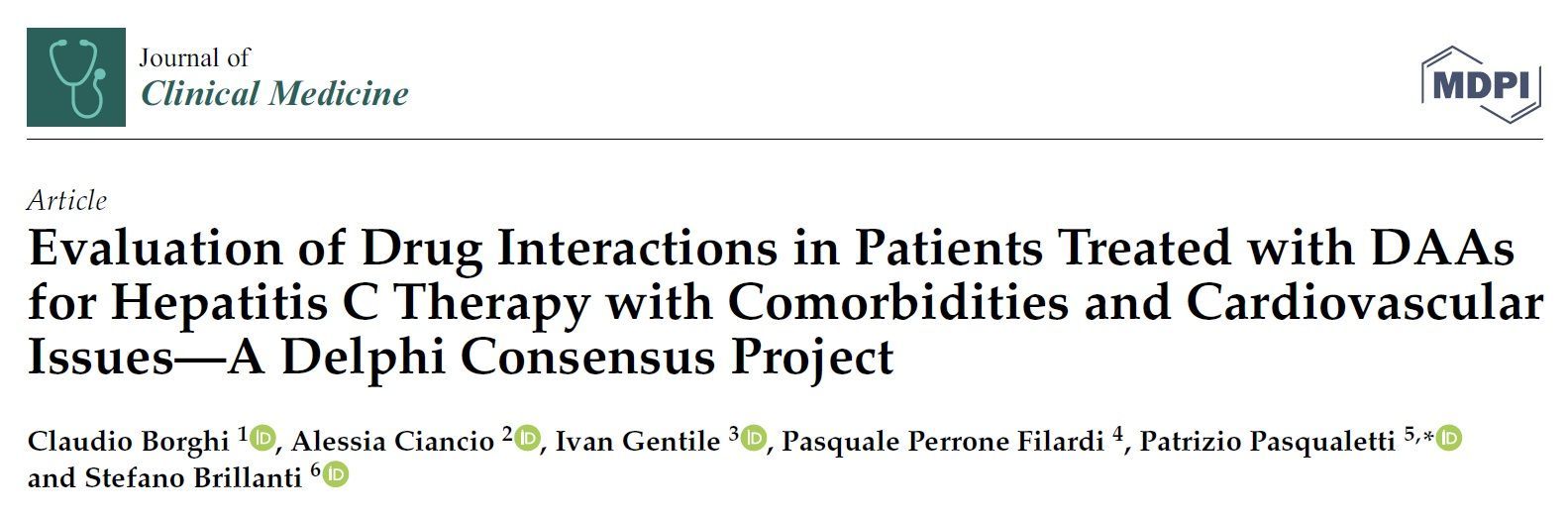
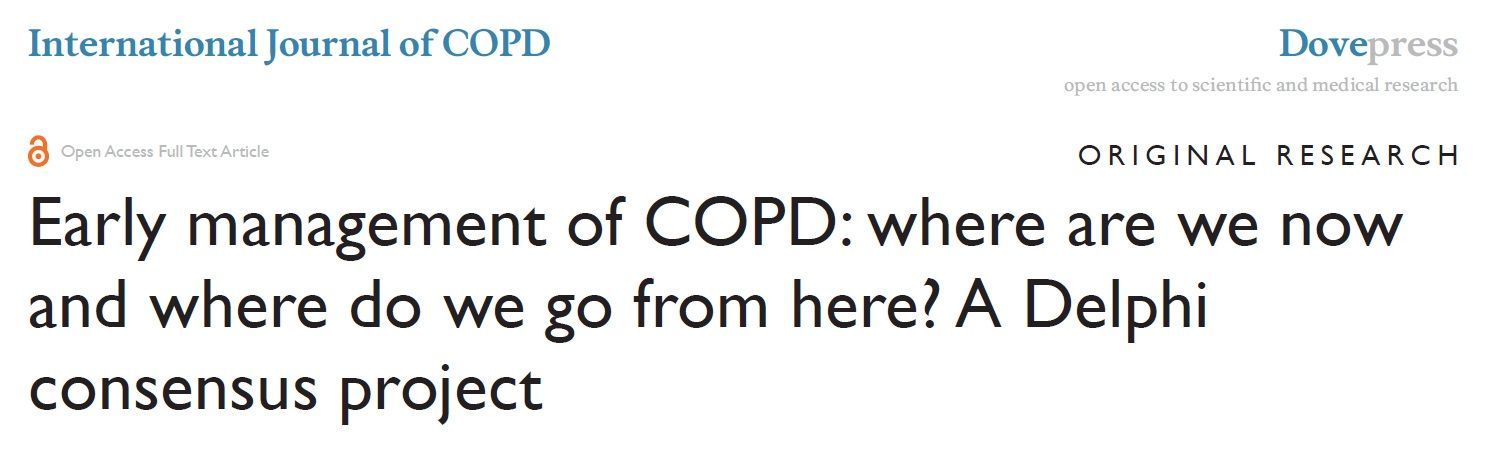
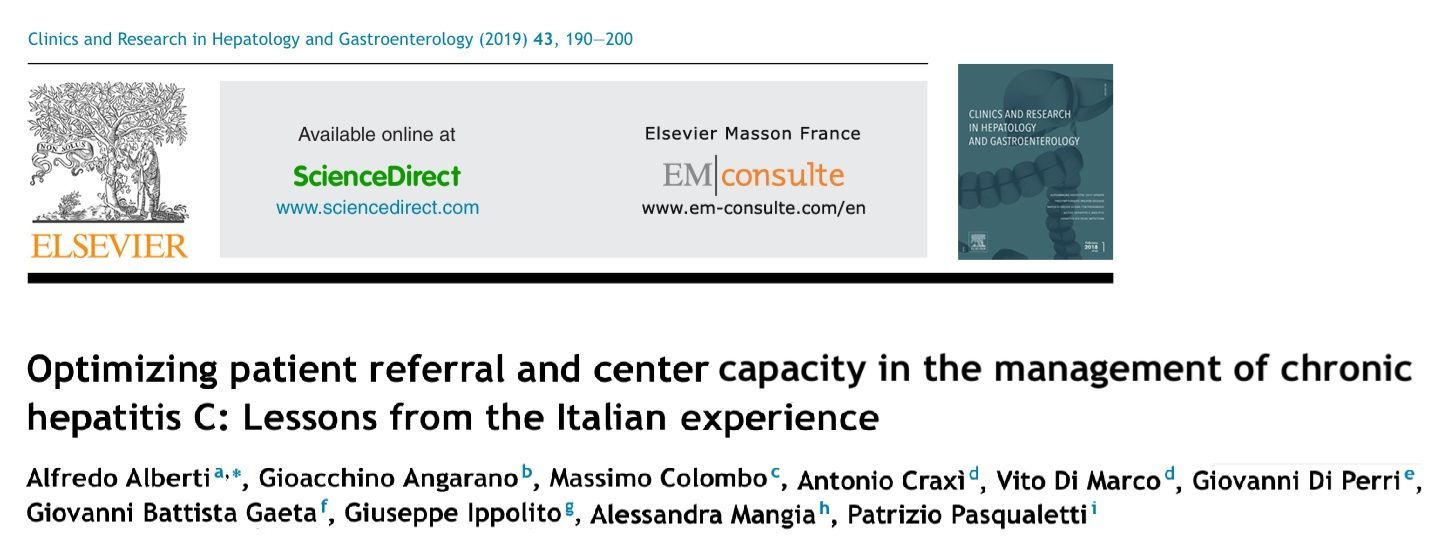
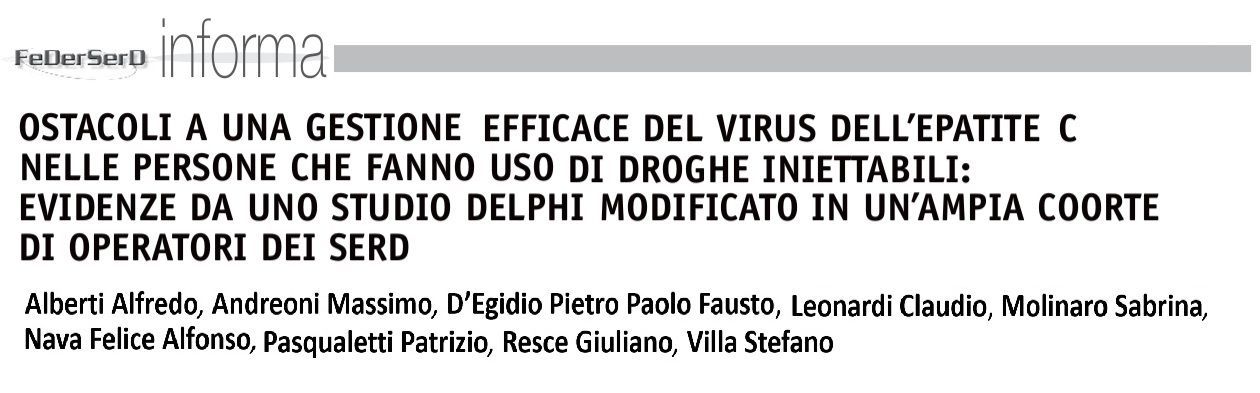
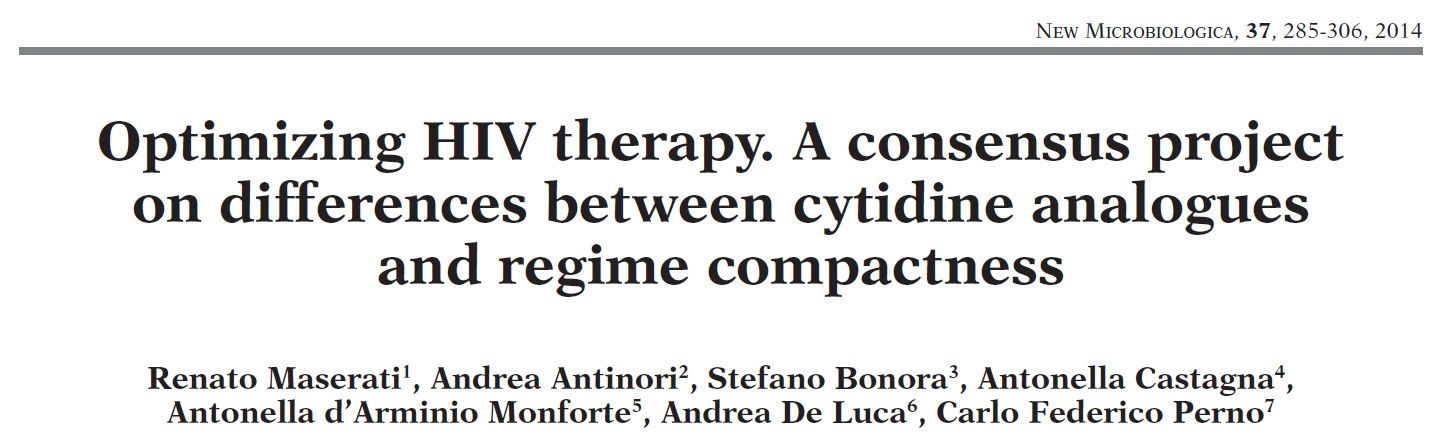
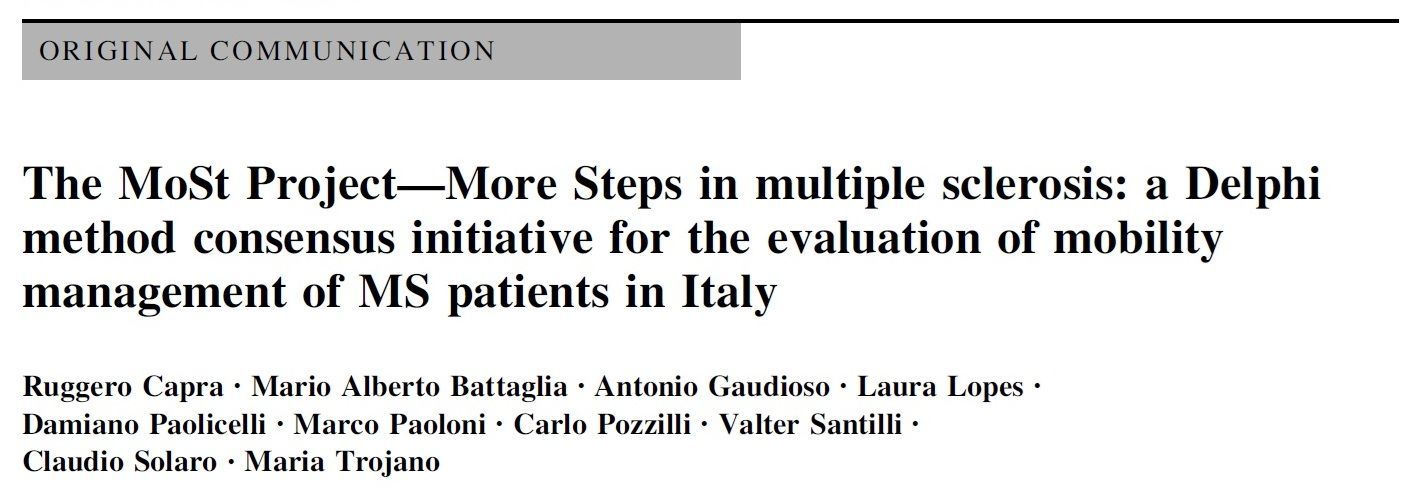
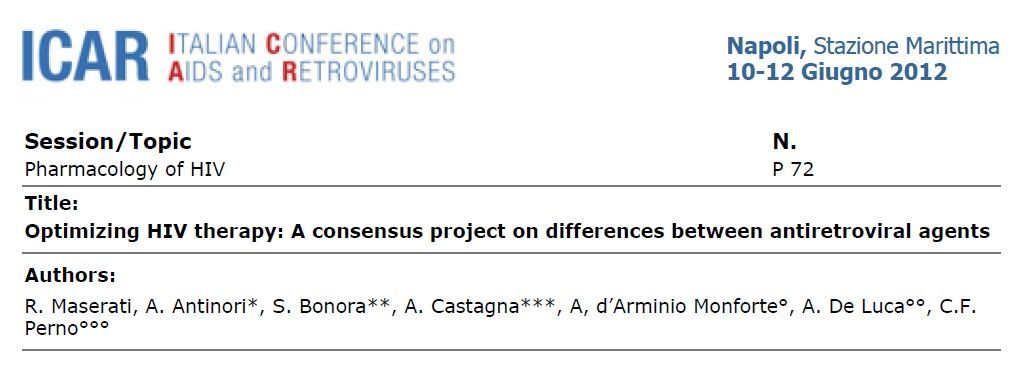
Examples of Delphi Consensus conducted by Calibra










Additional objectives of the Delphi Consensus
Mapping Activities
The Delphi consensus process can be accompanied by mapping activities to identify the patient management, treatment, and follow-up methods used at each center involved in the project, in order to obtain useful insights for interpreting and segmenting the level of consensus achieved.
Performance Gap
Mapping also allows for the evaluation of the performance gap, i.e., the appropriateness / inappropriateness of certain procedures compared to those considered clinically more correct. The performance gap can be improved and corrected through the acquisition of new knowledge in comparison with the Delphi results and the opinions of leading experts.
Multidisciplinarity
The Delphi consensus method is also very useful for comparing management and treatment methods when clinicians with different skills and training are involved, with a view, for example, to defining shared criteria that can improve clinical outcomes and patient quality of life.
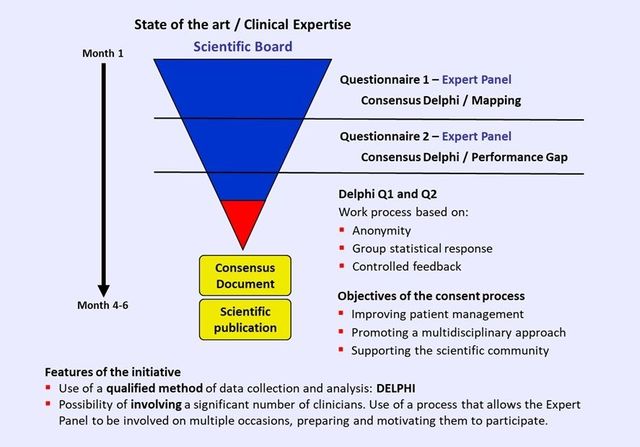
Consensus Delphi project process
General characteristics of a Delphi Consensus project
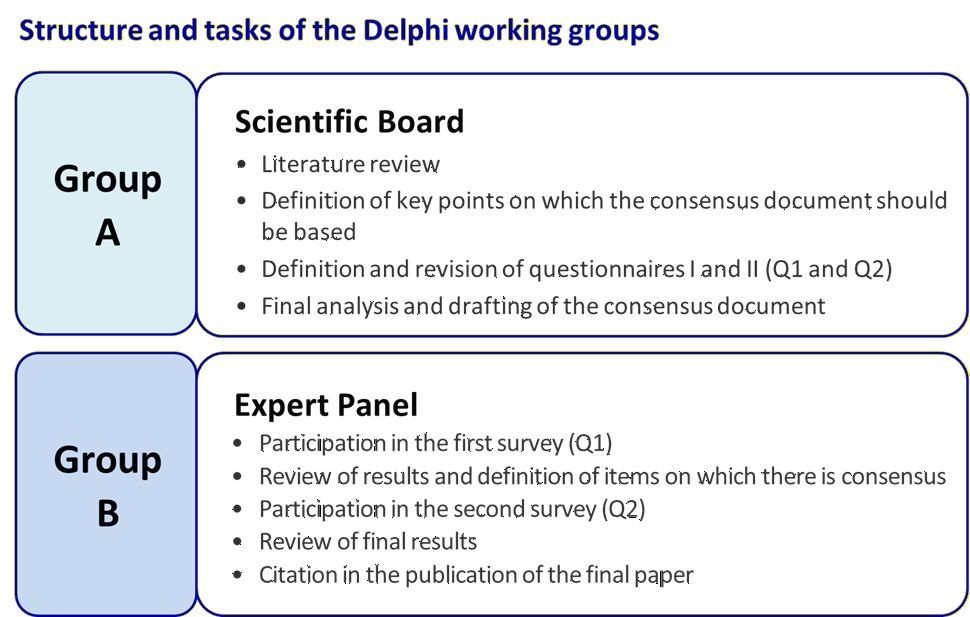
The project is coordinated by a Scientific Board, which is largely multidisciplinary and consists of clinicians with particular expertise in the area that Delphi intends to explore. The activity involves the participation of an Expert Panel of clinicians, recognized as experts in the field, who are called upon to answer questions posed by the Scientific Board.
Normally, two rounds of questionnaires are conducted to answer various questions and finalize the answers in the areas of greatest consensus.
A Delphi project can be completed in 4-6 months, depending on the complexity of the topic.
Organizational characteristics of Delphi projects